Salalah
Where the Arabian Peninsula reaches its southernmost edge — a coast shaped by monsoon, a landscape fragrant with frankincense, and the ruins of kingdoms that once supplied the ancient world with its most prized commodity.
A city built on the most valuable substance in the ancient world.
For three thousand years, the frankincense trees of Dhofar — the region of which Salalah is the capital — produced the resin that fuelled the religious ceremonies of ancient Egypt, Rome, Greece and Mesopotamia. The incense road that carried it north to these civilisations was one of the great trading routes of the ancient world, and the kingdoms that controlled it — Ubar, Sumhuram, Al Baleed — were among the wealthiest in Arabia. The ruins of two of them still stand within easy reach of Salalah's centre, excavated, partly restored and, in the early morning light, genuinely moving.
Salalah is not simply a southern extension of Oman. It is a different country in almost every sense — different climate, different landscape, different history and a different relationship with the ancient world that feels present in a way that most archaeological sites do not.
Add to this a coastline of white beaches where loggerhead turtles nest between May and October, frankincense trees that still weep their resin in the hills above the city, and a monsoon season that turns this corner of Arabia impossibly green, and you begin to understand why Salalah rewards the traveller who makes the effort to reach it.
The trade begins
Dhofar's frankincense first reaches Egypt and Mesopotamia. Salalah's hills become the source of the ancient world's most valuable commodity.
Sumhuram
A fortified harbour city controlling the export of frankincense. Its ruins at Khor Rori remain among the most evocative in southern Arabia.
Al Baleed
A UNESCO World Heritage city. At its peak, one of the most important ports in the Indian Ocean — trading frankincense, horses and goods from India and East Africa.
Dhofar today
The frankincense trees still grow in the hills above Salalah. The trade continues, though the world has found other things to burn.
Three things that exist here and almost nowhere else
Kingdoms that traded with Rome
Al Baleed and Sumhuram are not minor archaeological curiosities. They are the remains of cities that supplied the ancient world's most coveted trade good for three thousand years. Walking through them with a guide who understands their role in global history transforms the experience from sightseeing into something genuinely revelatory.
Still growing, still weeping resin
The Boswellia sacra trees of the Dhofar hills are the same species, on the same hillsides, that produced the resin traded along the ancient incense road. They are not a reconstruction or a museum exhibit — they are living trees, tapped by the same families who have worked this landscape for generations, in the same way their ancestors did.
Empty beaches and empty quarter
Salalah's coastline stretches east and west from the city with a generosity that feels increasingly rare—long arcs of white sand, clear water, and pristine beaches. Just couple of hours inland, the landscape changes completely as the vast dunes of the Empty Quarter begin, allowing travellers to experience one of the world's largest sand deserts within the same journey.
Al Baleed · UNESCO World Heritage
A city that once rivalled Alexandria
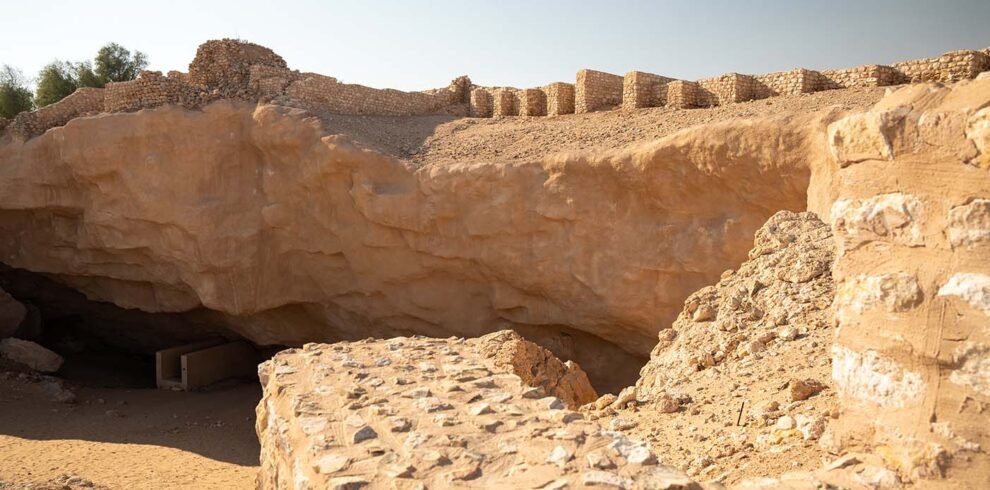
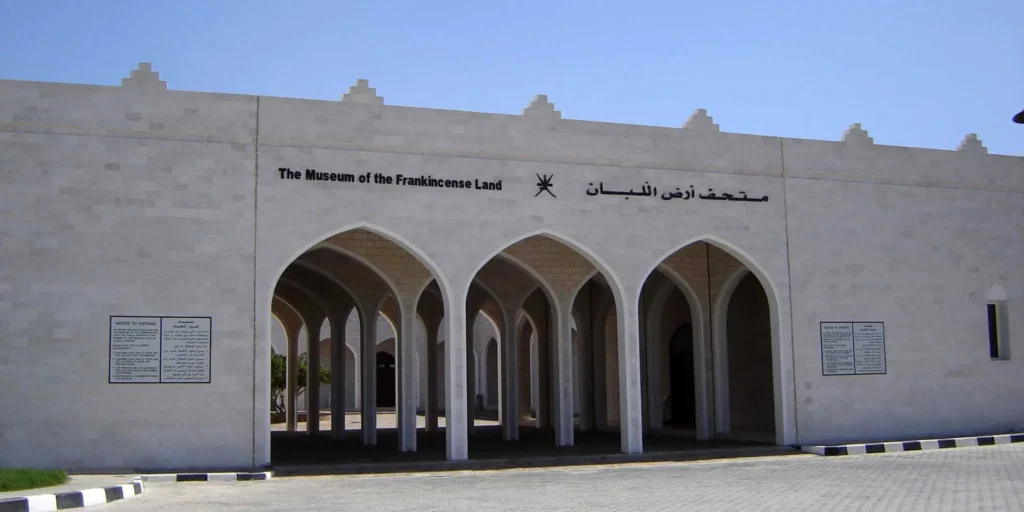
Al Baleed — Land of the Sea — was one of the most important port cities in the medieval Indian Ocean trading network. At its height between the 11th and 15th centuries, it exported frankincense, Arabian horses and goods from India and East Africa to markets from China to Portugal. Its ruins, designated a UNESCO World Heritage Site as part of the Land of Frankincense designation, spread across a large archaeological park at the edge of the sea — mosque foundations, city walls, residential quarters and the outlines of warehouses that once held more wealth than most kingdoms. The adjacent Museum of the Frankincense Land provides the context that makes the ruins speak.
Sumhuram · Khor Rori
The harbour that loaded the incense road
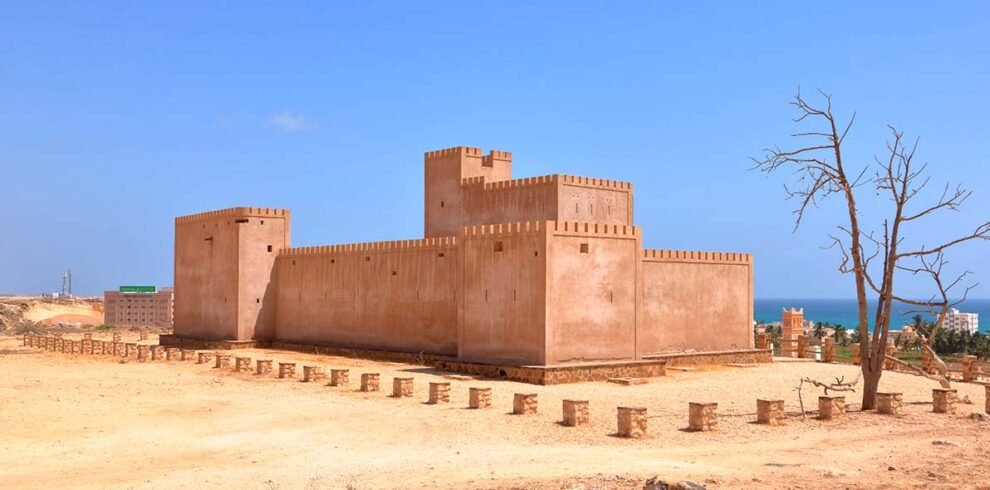
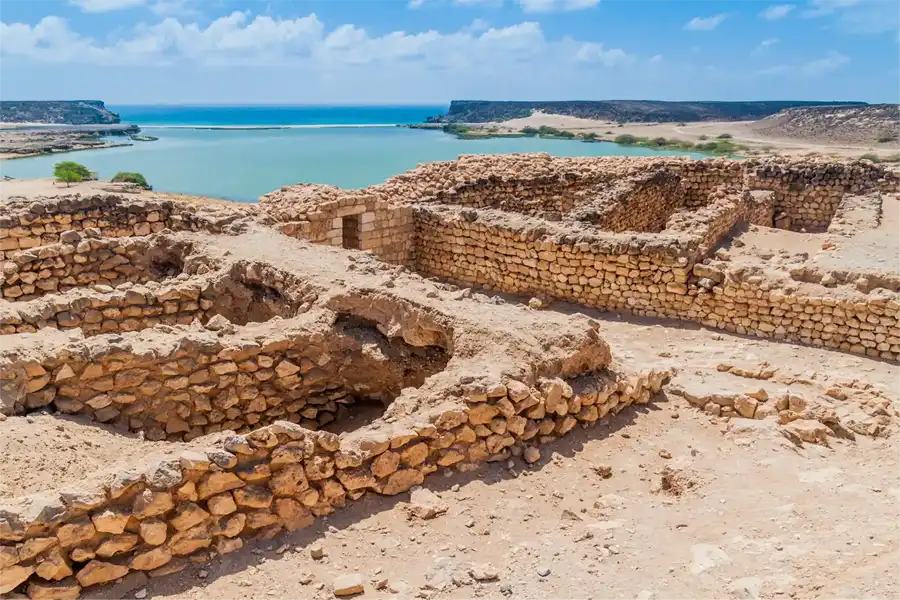
Forty kilometres east of Salalah, at the mouth of the lagoon of Khor Rori, the fortified harbour city of Sumhuram controlled the export of Dhofari frankincense for six centuries. Merchants from India, the Mediterranean and Mesopotamia anchored in the lagoon below the city walls while their cargo was loaded and their crews rested. The ruins — a compact, walled site on a promontory above the water — are among the most evocative in southern Oman. The lagoon itself is now a flamingo sanctuary, adding an unexpected layer of beauty to a visit that already carries considerable weight.
Frankincense trees · Dhofar hills
Still weeping resin in the Dhofar hills
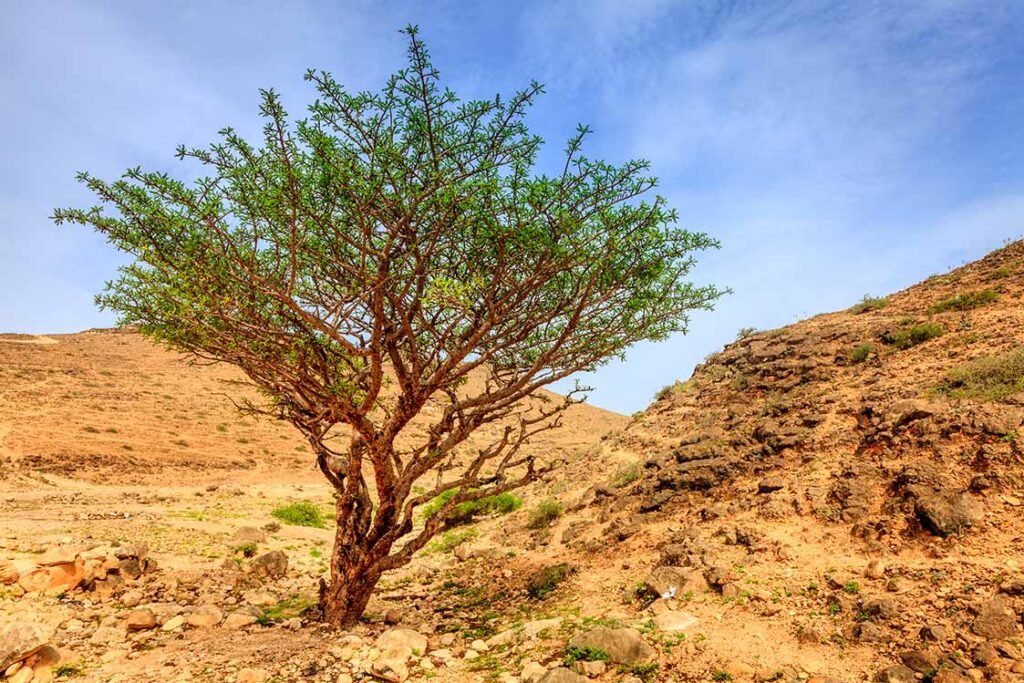
To see a frankincense tree for the first time is a small surprise — they are not large or particularly impressive, and they grow in rocky hillsides with an apparent indifference to comfort. But when you find the cut in the bark where the tree has been tapped, and watch the white resin emerging and hardening into the tears that have given frankincense its English name, something shifts. This is the substance that fuelled three thousand years of religious ceremony across the ancient world. The tree is unremarkable. What comes from it is not. Visiting the hillside plantations above Salalah with a guide who can explain the tapping process, the grades of resin and the families who still work these trees is one of the most quietly profound experiences the region offers.
Mughsail Beach · Dhofar coast
Beaches where the world has not yet arrived
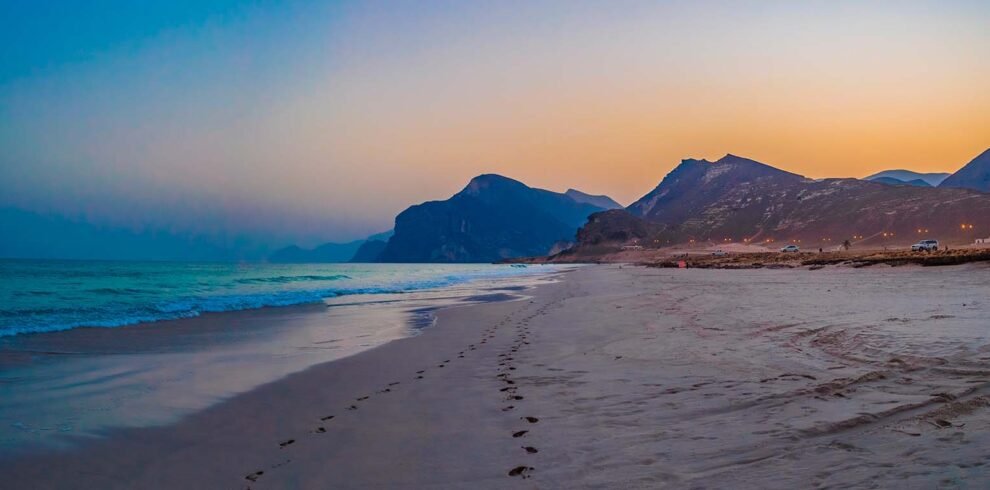
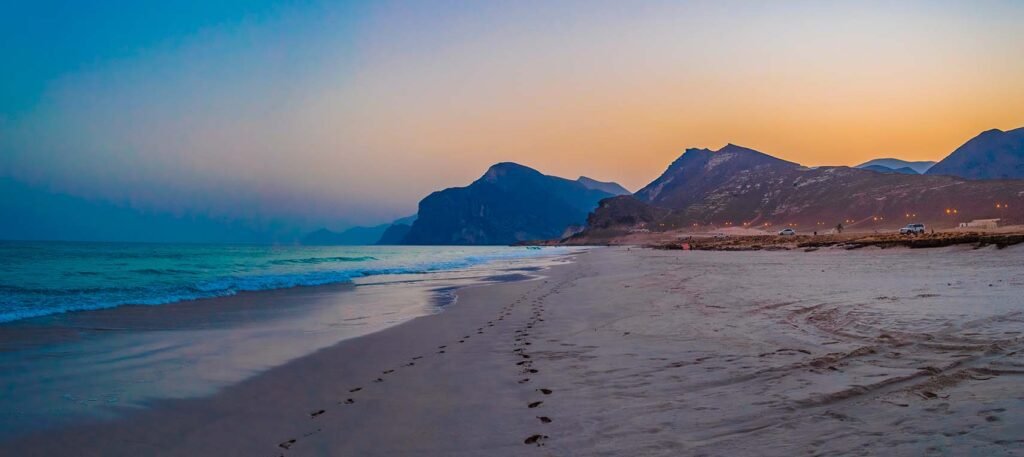
Mughsail Beach, 40 kilometres west of Salalah, is one of the finest stretches of coastline in southern Arabia — a long arc of pale sand backed by the Dhofar Mountains, with blowholes in the limestone at its western end that send fountains of seawater fifteen metres into the air when the swell is right. East of Salalah, the coast road toward Mirbat passes beaches where loggerhead turtles nest between May and October. The turtles do not choose their nesting sites based on amenity. They choose them because the beaches are quiet, undeveloped and undisturbed. That quality is precisely what makes them worth travelling to.
The incense road — tracing the route
For three thousand years, frankincense from the Dhofar hills travelled north along one of the ancient world's great trading routes — through the Empty Quarter and the Hejaz to Rome, Egypt, Greece and Persia. To stand in Salalah and understand this history is to understand why the city exists at all.
-
Salalah
Frankincense harvested in the Dhofar hills
-
Ubar
The “Atlantis of the Sands” — legendary caravan city
-
Petra
Nabataean trade hub — the road's great crossroads
-
Gaza
Mediterranean port — goods transferred to ships
-
Rome
Final destination — temples, ceremonies, emperors
Moments that define a Salalah visit
Each of these is rooted in what makes Salalah genuinely distinct — its archaeology, its frankincense heritage and its coast.
Al Baleed at dawn
Before the heat settles and before any other visitors arrive, the ruins of Al Baleed have a quality of silence that the midday site cannot offer. Walking through the mosque foundations and city walls in the early morning light, with the sea visible beyond and the outlines of a medieval city emerging from the ground around you, is as close as Salalah gets to the experience of genuine discovery.
Sumhuram and the flamingo lagoon
Arrive at Khor Rori in the late afternoon — the ruins of Sumhuram lit from the west, the lagoon below them still and pink with flamingos, the sound of the sea beyond the sandbar at the lagoon's mouth. It is a combination of landscape, wildlife and archaeology that is entirely particular to this one place in Oman, and it asks nothing of you except time.
The frankincense hillsides
Drive into the Dhofar hills above Salalah with a guide who can show you the trees being tapped, explain the grades of resin and introduce you to the families who work this landscape. Buy frankincense directly from the source — not the compressed commercial grade sold in souqs throughout the Gulf, but the tears of resin harvested that morning, still carrying the scent of the tree they came from.
Mughsail and the blowholes
The coast west of Salalah ends at Mughsail — a long beach beneath dramatic cliffs, with limestone blowholes at its western end that erupt with enough force and sound to stop a conversation. Continue beyond Mughsail on the mountain road toward Yemen, which climbs through frankincense woodland with views back over the coast that no photograph has yet done justice to.
The Salalah souq
The souq in Salalah sells frankincense in grades that most visitors have never encountered — from the pale green Hojari, considered the finest in the world, to darker grades used in everyday burning. It also carries traditional Dhofari textiles, silver jewellery distinct from the Nizwa style, and the dried limes and spices that define the cooking of the Omani south. A slow morning here, with a guide who understands what is worth buying, is one of the most fragrant hours available in Oman.
When to visit Salalah
Salalah has two entirely different personalities depending on when you arrive — and both are worth knowing about before you choose.
June – September
The Indian Ocean monsoon reaches Salalah between June and September, transforming the Dhofar region into something that no other part of Arabia can offer: a green, mist-covered landscape of waterfalls, wildflowers and cool temperatures while the rest of Oman bakes. Wadi Darbat fills with water and turns a vivid green. The hills above the city are covered in grass. Cattle graze on the roadside. It is, genuinely, the most unexpected sight in Arabian travel. The khareef draws Omani and Gulf visitors in large numbers — book well ahead and expect company at the popular sites.
Comfortable temperatures, dry skies and clear light for the archaeological sites and frankincense hillsides. The best window for first-time visitors and for those combining Salalah with the rest of Oman. Turtle nesting active from May onward.
Arabia turns green. Waterfalls, wildflowers and mist-covered mountains. A remarkable sight that draws large numbers of Gulf visitors — plan carefully, book ahead and embrace the crowds as part of what makes the season extraordinary.
May catches the end of the dry season with the beginning of turtle nesting activity. October offers the tail end of the green season with fewer visitors. Both are underrated windows for Salalah travel.
Salalah within Oman
Salalah is distant from Muscat — a short flight or a long, spectacular drive. That distance is part of what makes it feel like a different country. Most of our guests who visit Salalah treat it as a dedicated chapter within a longer Oman journey, and find it consistently the most surprising part of what they had planned.
Muscat, interior and Salalah
A ten to fourteen day journey that opens in Muscat, moves through the Hajar Mountains and the Wahiba desert, then flies south to Salalah for three to four nights. The contrast between the interior's desert landscape and Salalah's ancient, fragrant coast provides a remarkable conclusion to any Oman journey.
Salalah alone
Three to four nights in Salalah — archaeology, frankincense, coast and the hills above — is enough for a complete and entirely satisfying visit. Flying directly into Salalah Airport from Dubai, Muscat or other Gulf hubs makes this practical as a self-contained journey without needing to see the rest of Oman first.
Frequently asked
How many days do I need in Salalah?
Three nights is a comfortable minimum — enough to visit Al Baleed and the Museum of the Frankincense Land, make the excursion to Sumhuram and Khor Rori, spend a morning in the frankincense hills and a day on the coast. Four nights allows Mughsail, a slower pace at the archaeological sites, and time in the souq without anything feeling rushed. We rarely recommend fewer than three nights for a visit that does Salalah justice.
Should I visit during the Khareef or outside it?
It depends entirely on what you are seeking. The Khareef (June–September) offers a genuinely spectacular and unexpected landscape — green hills, waterfalls, cool air — but also significant crowds of Gulf visitors. The dry season (October–May) is better for archaeology, frankincense visits and the coast, with far fewer visitors and more comfortable conditions for exploring on foot. For most of our guests visiting Oman for the first time, we recommend the dry season; for those returning specifically for the Khareef experience, we plan accordingly.
Can Salalah be combined with the rest of Oman?
Yes — and we strongly recommend it for anyone spending more than a week in Oman. The contrast between the desert interior and Salalah's ancient, monsoon-touched coast is one of the most compelling in Oman travel. A short flight connects Salalah to Muscat, making the logistics straightforward. We design combined journeys regularly and can suggest the sequencing that best suits your interests and timeline.
What grade of frankincense should I buy?
Hojari — the pale green resin from the hills immediately above Salalah — is considered the finest frankincense in the world and is available here in a quality not found elsewhere. Your guide will show you the difference between grades and help you buy directly from reputable sellers in the souq or, if arranged in advance, from the families who harvest it in the hills. The price difference between genuine Hojari and commercially graded frankincense is significant; knowing what you are looking at matters.